It has been proven to improve both our physical and mental health. But for a long time, the idea of a vacation was simple: take several days off from work, travel somewhere, enjoy and explore.
Now, there are different ways to take a break, depending on what you need, how much time you have, and how far you want to go. From long weekends and microvacations to staycations, workcations, and bleisure trips, there’s a type of break for almost every kind of schedule.
Research on vacation and recovery has found that breaks can improve well-being, but the experience of the break matters, not simply how many days you are away.
A 2025 review that combined the findings of 32 studies found a substantial positive relationship between vacation and employee well-being, with psychological detachment and physical activity among the experiences associated with better outcomes.
Maybe the better question isn’t where you want to go, but what kind of break you actually need right now.
The Long Weekend Getaway: Making a Few Days Feel Like a Break
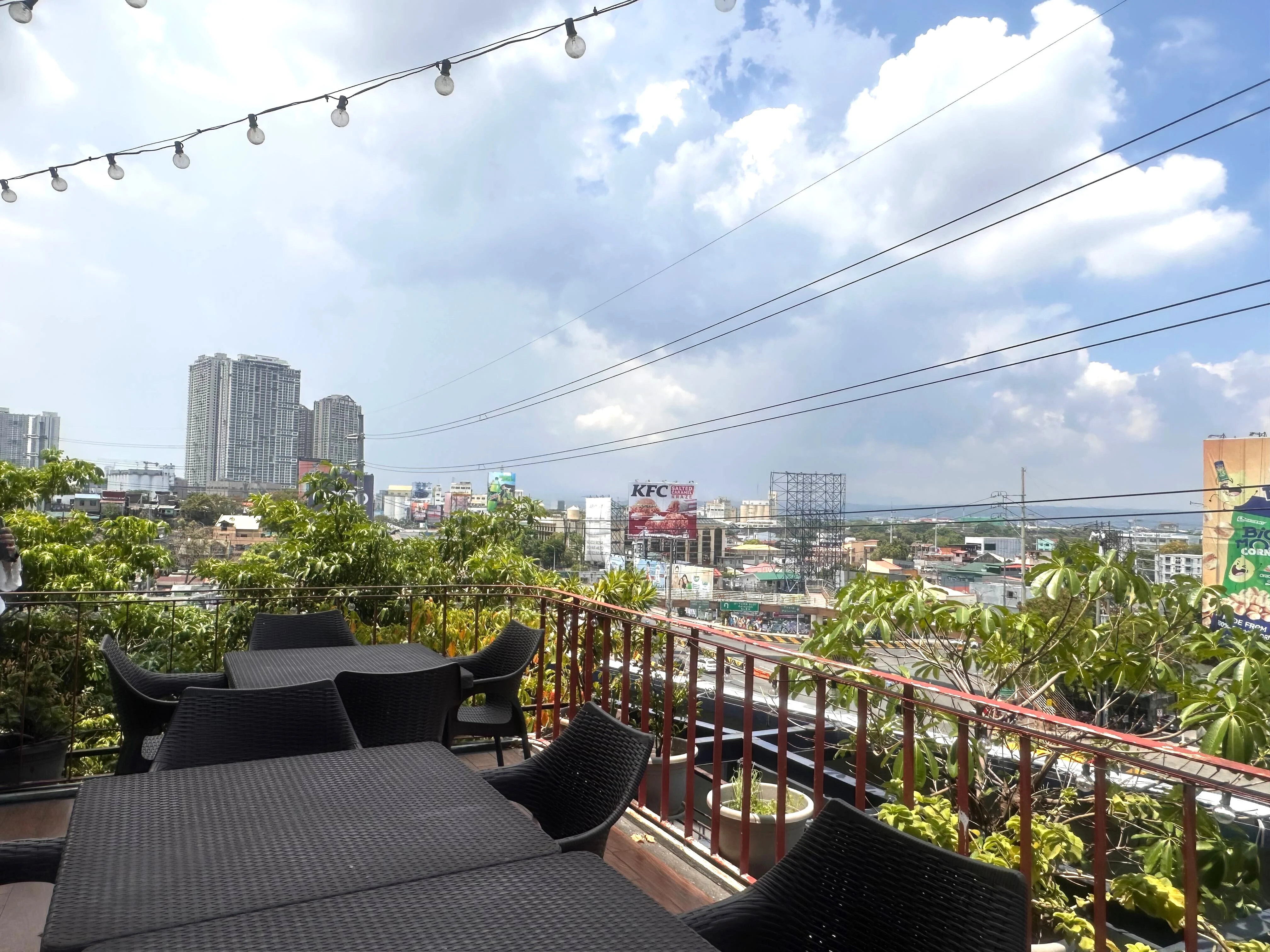
The last quarter of the year comes with plenty of long weekends, perfect for taking the getaway you’ve been needing.
This is the most familiar version of the modern escape from work and stress. Instead of taking a full week off, you use a public holiday, a leave day or a strategically placed Friday or Monday to create a few days away.
It sounds simple, but there's something important about the format: you don't need to completely reorganize your life to do it.
You don't necessarily have to plan a major international trip. And because the break is shorter, the return to normal life can feel more manageable.
Research on short vacations suggests that a break doesn’t have to be long to help you recharge. One study comparing short breaks, longer vacations, and having no break at all, found that people who took time off felt more rested. Interestingly, some results were even better among those who took shorter breaks.
Another randomized controlled study of 40 middle managers found that a quick four-night vacation produced immediate improvements in perceived stress, recovery, strain and well-being.
Sometimes, the most realistic vacation is the one you can actually fit into the responsibilities of your life.
The Microvacation: When 24–48 Hours Is Enough
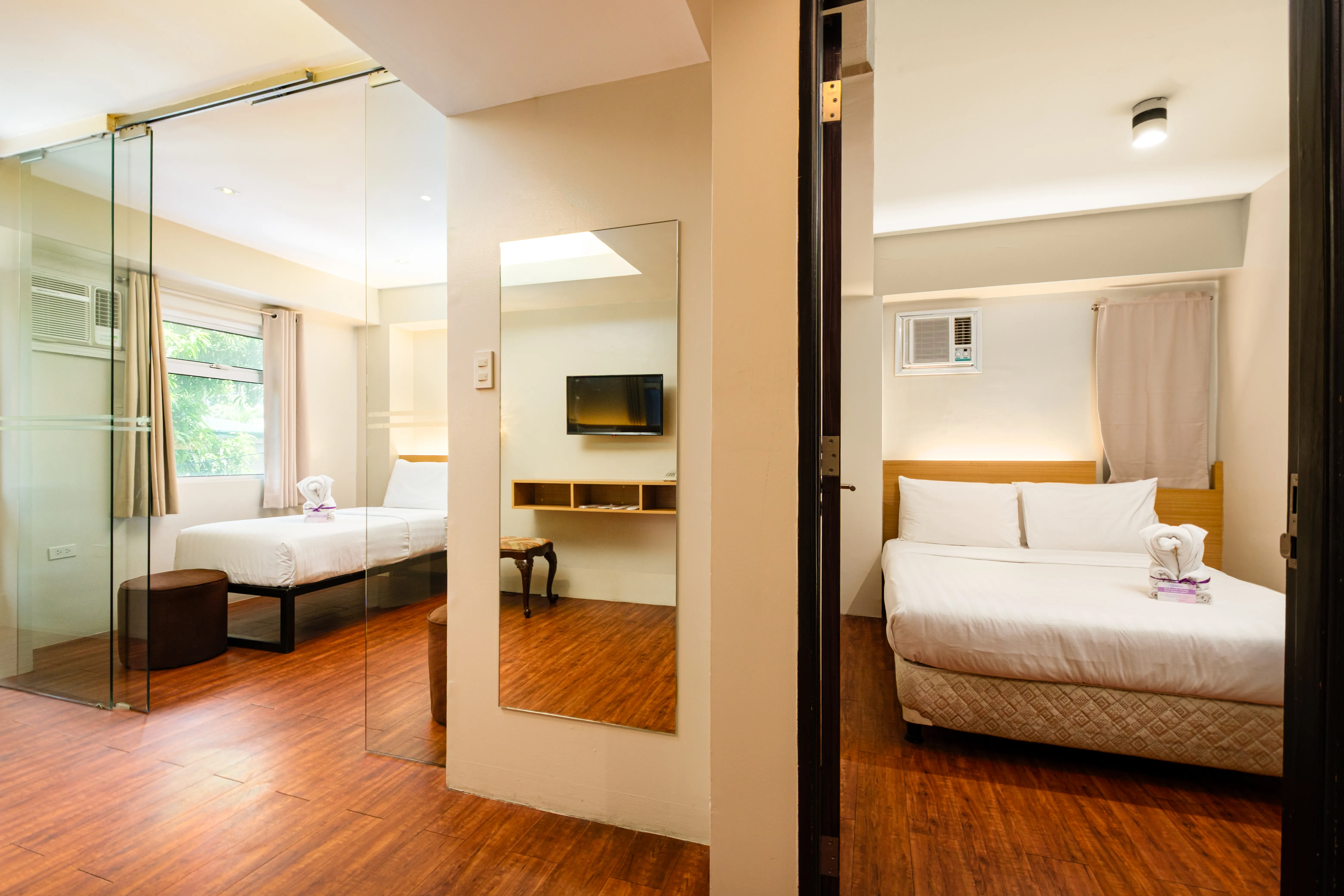
A microvacation takes the short-break idea even further. Think one night, two days or a very short escape rather than a traditional holiday. The point isn't to see everything. It is often to change your environment, break your ordinary routine and return feeling different.
A microvacation can be much simpler.
Sleep somewhere different.
Have breakfast without rushing.
Walk around a new neighborhood.
Spend time with someone you don't usually get to see.
Or simply have a day where your usual routine doesn't follow you around.
The vacation becomes less about distance and more about interruption.
The Staycation: A Vacation Without the Long Journey
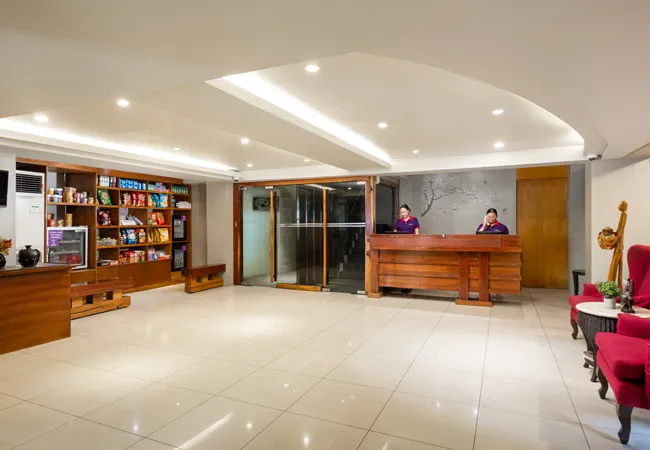
A staycation is a good example of how people’s idea of “getting away” has changed. You don’t always have to travel far to take a real break. It’s cheaper and accessible. You don't necessarily need a plane ticket or a road trip.
You can stay within your own city and still create a break from your usual routine. One of the easiest ways to do this is by booking a hotel, giving you a change of scenery without traveling far.
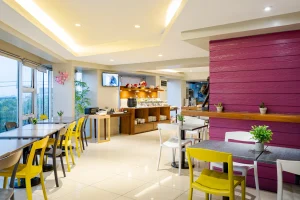
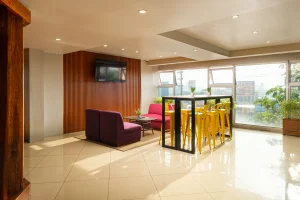
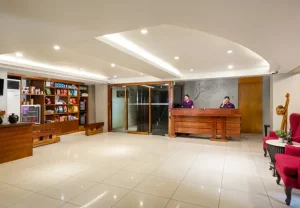
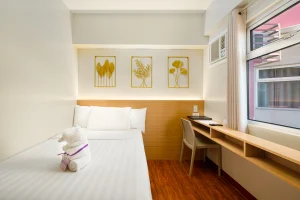
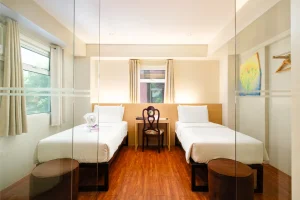
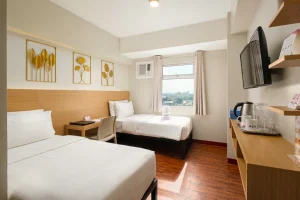
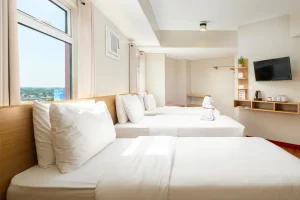
In BGC, a stay at Hotel MySpace BGC can be as simple as having a comfortable room to sleep in, and a few hours where you don’t have to think about your usual routine.
There's also a practical advantage of staying around the city: less travel time can mean more actual time off. You can spend more time sleeping, eating, exploring or doing absolutely nothing.
And sometimes that is exactly what someone needs. A staycation is about experiencing your own city without your usual responsibilities attached to it.
The Workcation: When Work and Travel Start Sharing the Same Address
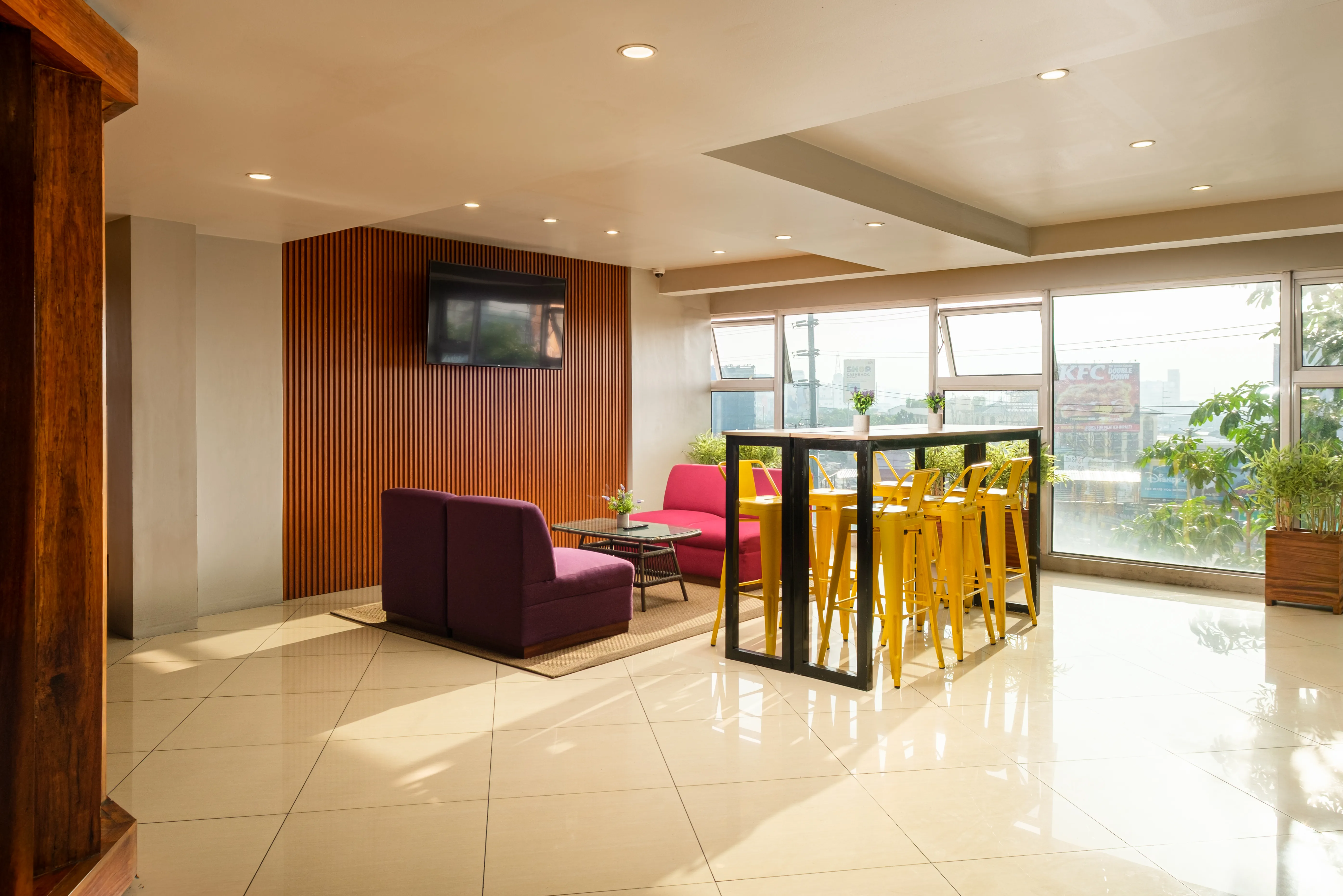
The workcation is a very different kind of break. Instead of completely disconnecting from work, you take your work with you.
Remote work has made it possible for some people to spend a few days or longer working from another city or destination, then use their free time to explore or relax. It sounds like the perfect compromise:
Work during the day.
Vacation after work.
Research on workcations suggests that this mix can have some benefits, including better work engagement and opportunities.
But it also comes with challenges. Working while away doesn’t automatically mean you are resting, especially if you end up working longer hours or never fully switching off.
The key is knowing what you want from the trip. A workcation may not give you the complete break that a traditional vacation does, but it can offer a change of mindset, while still allowing you to get things done. For people with flexible schedules, sometimes that balance is exactly the kind of break they need.
The Bleisure Trip: Turning a Business Trip Into Personal Time
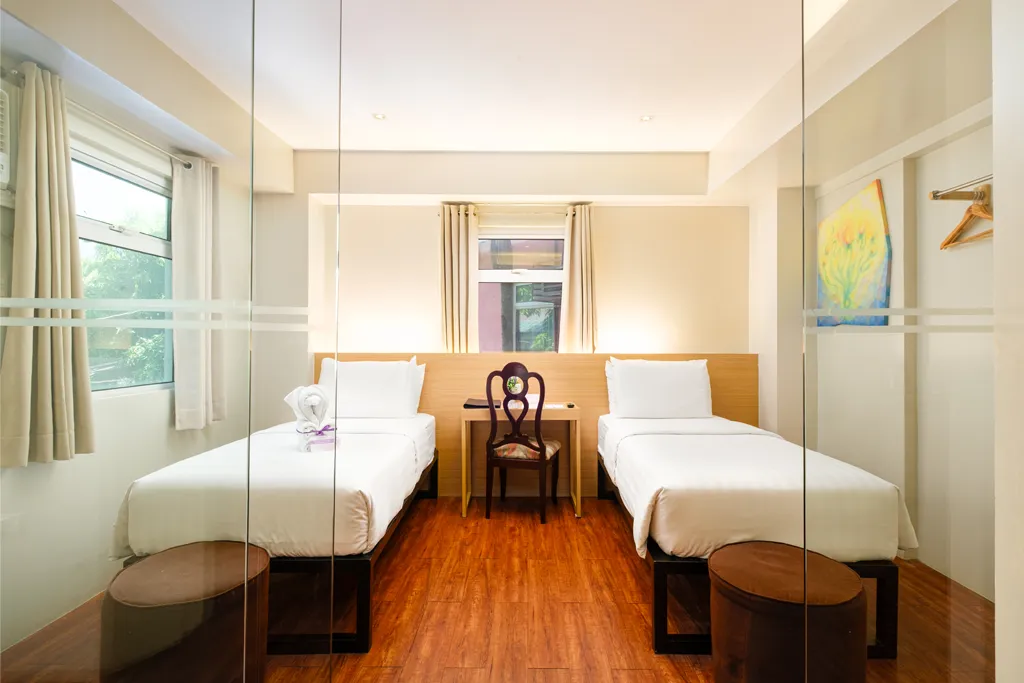
Another common type of trip is bleisure, a mix of business and leisure.
Instead of flying home right after a work meeting, conference, or business trip, you stay an extra day or two to enjoy the destination. Maybe you explore the city, try a new restaurant, or simply take some time to relax before heading home.
A 2024 study published in Annals of Tourism Research Empirical Insights found that bleisure travelers often mix work with short leisure activities. The trip can take a little more planning since you’re balancing both work and personal time. Still, travelers reported feeling tired but mentally refreshed afterward. In other words, you get your work trip done and get a little vacation out of it, two birds with one stone.
Tourism Economics' analysis of the 2024 Global Travel Report identified the blending of business and leisure as a major tourism opportunity, with flexible remote work helping travelers extend business trips into personal travel.
Bleisure reflects a bigger change in how we think about travel. The business trip and the vacation don’t always have to be two completely separate things.
For a bleisure trip in BGC, Hotel MySpace BGC gives you a comfortable place to work, rest, and enjoy the city in between.
Close to BGC
Easy access to offices, restaurants, shopping, and things to do after work.
Fast Wi-Fi
Stay connected when you need to get work done.
A comfortable place to unwind
Relax with a refreshing two-door shower and a comfortable bed after a busy day.
So, Which Kind of Vacation Do You Actually Need?
There is no universal “best” vacation.
It depends on what your life looks like at the moment.
If you have a few extra days but not enough time for a major trip, a long weekend getaway might be enough.
If you're exhausted and simply need to interrupt your routine, a microvacation could do the job.
If you don't want to travel far, a staycation can give you a change of environment without the long journey.
If you have the flexibility to work remotely, a workcation can combine a change of scenery with your normal schedule, but only if you can maintain boundaries.
And if you're already traveling for work, a bleisure trip can turn a necessary business trip into an opportunity for personal time.
What all five have in common is something researchers keep finding in vacation studies: the quality of the break matters.
Taking time off can help, but being able to mentally step away from work and everyday demands is an important part of actually feeling recovered.
Maybe that is the real evolution of the vacation. We don't always need more days. Sometimes, we just need the right kind of break for the life we're living.
And whether it’s a weekend away, one quiet night, a staycation in the city, or an extra day after a business trip, there’s always a way to make time for yourself.
Frequently Asked Questions
What are the 5 types of vacations?
The five types are the long weekend getaway, the microvacation, the staycation, the workcation, and the bleisure trip. Each one fits a different schedule and a different kind of break.
What is a microvacation?
A microvacation is a very short escape, such as one night or two days, instead of a traditional holiday. The point is to change your environment, break your routine and return feeling different.
What is a staycation?
A staycation is a break taken within your own city. You don’t need a plane ticket or a road trip, and booking a hotel is one of the easiest ways to get a change of scenery without traveling far.
What is the difference between a workcation and a bleisure trip?
On a workcation, you take your work with you and work remotely from another place, then use your free time to explore or relax. A bleisure trip starts as a business trip, and you stay an extra day or two to enjoy the destination.
Can a short vacation help me recharge?
Research suggests it can. A break doesn’t have to be long to help you recharge, and one randomized controlled study found that a quick four-night vacation improved perceived stress, recovery, strain and well-being among 40 middle managers.
Where can I take a staycation or bleisure stay in BGC?
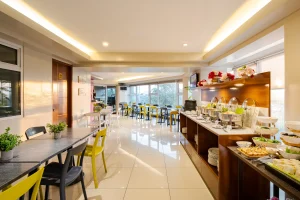
Hotel MySpace BGC gives you a comfortable room, fast Wi-Fi and easy access to offices, restaurants and shopping. To plan your stay, visit our BGC hotel page, learn more about us, or contact us.
Ready for your next kind of break?
Plan your stay at Hotel MySpace BGC and make your next story count.